

Some days, chronic pain behaves like a bored stagehand: it doesn’t star in the show, but it keeps rearranging the scenery when you’re not looking. I put the kettle on, and my knee writes a formal complaint. I sit down, and my back starts a committee. If you’ve ever felt that, welcome to the meeting—biscuits are imaginary, but the laughter is real.
Introduction
This is not medical advice, and I’m not telling anyone what to do with their body. I’m simply writing a Stephen-grade nonsense ramble about suffering pain, because sometimes absurdity is the only sensible language left.
Vacant Space 3
A space for, possible, future development.
If you want the broader context of my ongoing saga, it lives over on Living with MS Journey, and the sillier corner of my brain is filed neatly at Nonsense Verse Joyful Gems.
Chronic pain what are (and why do my bones have opinions?)
When people ask what chronic pain “is”, they’re often really asking what it feels like to live in a body that keeps sending strange memos. For me, living with chronic pain can feel like wearing an invisible rucksack full of pebbles—light enough to ignore for five minutes, heavy enough to notice all day.
Causes chronic pain (In the Kingdom of Unhelpful Explanations)
My favourite explanation is: “It’s complicated.” Brilliant. That narrows it down to everything.
Sometimes, experiencing chronic pain feels like my nerves are improvising jazz: bold, unpredictable, and mostly performed at inconvenient times.
Pain how is chronic (a philosophical question from my left hip)
“How is pain chronic?” asks the hip, dramatically.
“It’s committed,” replies the shoulder.
And the ankle—always the drama queen—insists it’s “a lifestyle brand”.
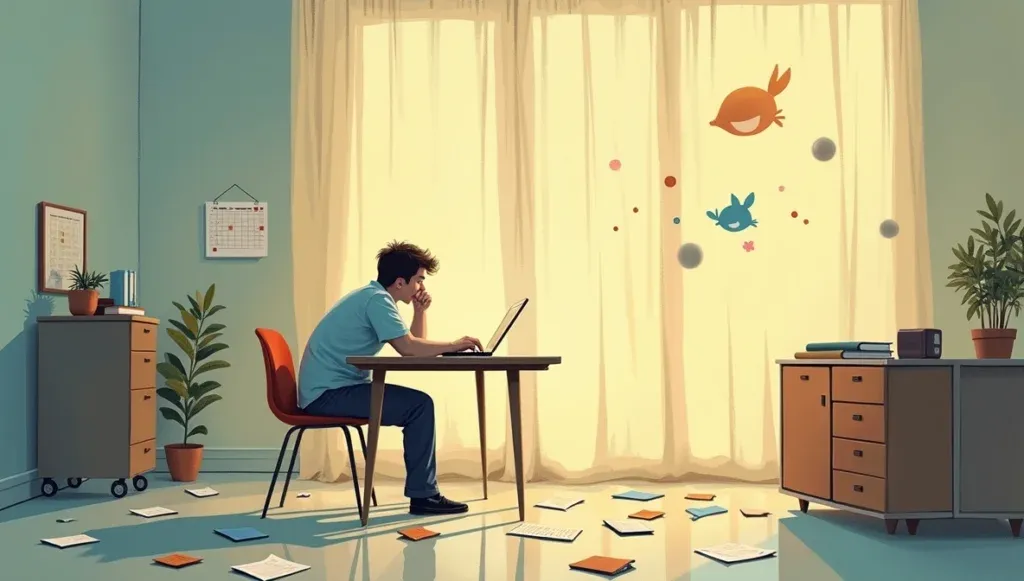
Is chronic pain diagnosed (or merely introduced with a trumpet?)
I won’t pretend to know what applies to you. If you’re worried, it’s sensible to talk to a qualified professional, and it’s also sensible to avoid doom-scrolling at 2 a.m. (I say this as someone who has doom-scrolled with dedication.)
Healthcare provider (a respectful nod, not a marching order)
If you do speak with a healthcare provider, you deserve to be heard properly—without being rushed, dismissed, or treated like a faulty appliance with feelings. And if you want a reputable general resource, the NHS has a page on everyday approaches to easing pain here: 10 ways to ease pain (NHS).
A gentle note before a healthcare provider chat
Write things down if your memory runs on fog (mine does). Bring your questions. Bring your patience. Bring your sense of humour, if you can find it behind the sofa.
Sir Ache-a-Lot and the Parliament of Twinges
My spine held a summit in the House of Ouch,
 While my knees did a waltz with the springs in the couch.
 A teacup declared, “This is chronic pain weather,”
 And my elbow said, “Good. We shall suffer together.”

The carpet wrote poetry in a language of sighs,
 My shoulder rolled its eyes at my rolling my eyes.
 A twinge wore a top hat and asked for my vote,
 Then fell off the schedule and sank like a boat.

I tried to be heroic; my ankle said “Nah,”
 And my hip did a speech like a disappointed czar.
 “Behold,” said my neck, “this persistent chronic pain,”
 Then promptly forgot what it meant by “refrain.”

My foot sent a postcard: “Still here. Still intense.”
 My back ran a taxi with absolutely no sense.
 I asked for a bargain; the bargain said “No.”
 I asked, “Will chronic pain ever go?”—soft and slow.

The answer was silence with biscuits removed,
 So I laughed at the nonsense, and the nonsense approved.
Reflections
Here’s the strange truth: ongoing chronic pain can shrink a day, but it can also sharpen what matters—comfort, pacing, kindness, and the little rituals that keep me upright. When I’m experiencing chronic pain, I try to keep company with characters who understand the weirdness: Miss Hypersensitivity’s Unpleasant Day, Dame Dysesthesia, and Trigeminal Neuralgia: A Nonsensical Tale. Different tales, same message: you’re not weak for noticing.
Frequently Asked Questions
How to handle chronic pain?
Gently, patiently, and in whatever safe ways work for you—often with support from people you trust and professionals who listen.
Can pain chronic be overcome?
People’s experiences vary a lot. It’s okay to aim for better days, not perfect ones.
Is Chronic Pain a disability?
Sometimes it can be, depending on impact and circumstances. If you need formal guidance, it’s best discussed with appropriate services or professionals.
What are the 4 types of chronic pain?
Different sources classify pain in different ways. If you want clarity for your situation, a clinician can explain the categories they use.
Conclusion
If you’re dealing with chronic pain, you’re not alone—and you’re not obligated to be brave in a photogenic way. Whether it feels like ongoing chronic pain, living with chronic pain, persistent chronic pain, or experiencing chronic pain, it can take up space in the day. And yes, we all wonder: will chronic pain ever go? I don’t answer that—because that would drift into advice—but I will say this: you deserve support, you deserve dignity, and you deserve at least one good laugh that doesn’t hurt too much.
Life with MS is a lesson in adjustment rather than defeat. It means learning when to push and when to pause, building routines that protect energy, and reshaping days so they work with the body instead of against it.
Plans become flexible, rest becomes purposeful, and small wins start to matter more than grand gestures. With time, humour sneaks in, patience grows, and coping turns into a quiet skill — one that allows life to be lived fully, just at a slightly different pace, and often with a wry smile at how adaptable a human being can be.
MS fatigue isn’t laziness — it’s a power-supply issue
Stephenism
🎵 Soul from the Solo Blogger — Tunes from Túrail.


